
|
Contact usUnited CaribbeanFood For LifeBarbados Super Foods
Guyana Agro/Eco TourismOrganic Super Fruits IndexSt Lucia Super FruitsDominica Super ChocolateSuriname Super SeedsGrenada Super SpiceUCT ProjectsUCT Agricultural CurriculumCaribbean Relief
Alternative Animal Fodder |
home >> the
miracle tree>>food for life
haiti>> mulberry
Mulberry
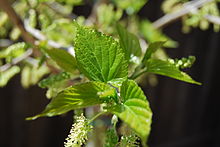
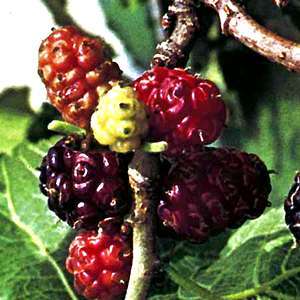
The generation of knowledge based on moriculture is one of the major values to be derived from the planting of the Biblical sycamore tree. The Mulberry tree- Genus: Morus (Alba, Rubra and Nigra) originated in the foothills of the Himalayas and was dedicated to the Ancients of Minerva. Sanguinoa morus (red or rubra) was referred to by Virgil as D’arbe D’or ( Tree of Gold) and is referred to in the Bible as the Sycamore tree.
|


 |
Moriculture, as a working agro diversity and best practice model, offers a new hope, with realistic, concrete steps and actions directed at different levels of society, so affected communities, such as Haiti, may recover with dignity. The implementation of Moriculture will promote possibilities for cooperation, an integrated approach to development and social cohesion, and address what has been documented in the book, “Eternal Spring” by Jef Creb, as:
According to studies done by Dr. Antonio Rota in a Barbadian Professional Analysis, small ruminants dig through compost to reach mulberry discards. Its composition of nutritional values is as follows: Essential Amino acids in excess of 46 % The utilisation of Moriculture, the cultivation of mulberry trees to reclaim arid land and prevent slippage, has been well documented over the centuries. Moriculture has been used to promote afforestation and thereby erosion control in damaged or arid areas. Slope reclamation solutions abound with the use of mulberry which has a positive impact on the natural resource base. Mulberry plantation can also utilise fallow land unsuitable for traditional crops for productive purposes, as was discovered to great practical benefit in Zimbabwe. As an ethical ecological solution to reforestation, the mulberry tree will reach full height of 30- 45 ft with 40 ft canopy, depending on variety, within five years. Water and soil nutrients directly affect the growth and bio-mass production of mulberry trees, and intercropping with other fruit trees and legumes which nitrogenize the soil, can optimize and address food security issues which abound in damaged rural communities faced with reconstruction. The wood of the mulberry tree is a useful building material and is used to make farm tools. High grade paper and artificial fibre can also be made from the bark. Additionally, the by-products of mulberry cultivation, ( ie. Leaves, fruit, wood, bark) allow for the sustainable development of off-shoot entrepreneurial activities, as market analyses show available niches for jams, juices, fruit musts for wine production, and sericulture (feeding leaves to silkworms to produce cocoons). Moriculture relates well to rural poverty alleviation strategies. Each hectare of mulberry plantation provides approximately 13-15 employment opportunities for citizens. This best practice has significant capacity building potential through providing local farmers and research staff with training opportunities and continuing educational growth. Mulberry is an excellent feedstuff plant due to
its good adaptability, long cultivation history, mature planting
techniques, high leaf yield, abundant nutrition, and a great deal
of active substances of health care. However, for a long time the
advantages of mulberry trees have been restricted to the area of
silkworm feeding. Previous studies overseas have successfully revealed
that the mulberry leaves as well as mulberry leaf powders were all
good feedstuffs or additives for livestock or poultry. Outstanding
effects have been obtained owing to the mulberry leaves’delicious
taste and high nutrition in feeding milch cow, sheep, broiler chickens,
laying hens, rabbit, etc. The maximum feed conversion ratio at six weeks of growth was in 10%, suggesting that the mulberry leaf powder supplementation at 10% would cut down the cost of poultry feed. This is the first report on this aspect in India, which would benefit the poultry farmer in economizing the cost of meat production. Establishment and management of Mulberry for intensive forage production It has been proven that the largest leaf production (19.0 tonnes) at 60 cm spacing and 112 days cutting frequency. Similar spacing is recommended for an 84 days interval, with only slightly less leaf (-0.5 tonnes) and stem (-5 tonnes) production, with cutting height of 60 cm and leaf:stem ratio of 1.19. With a cutting height of 30 cm, 112 days frequency and 60 cm spacing, the total yield reached 40 tonnes/ha/year, but leaf yield was 18.7 tonnes/ha/year. Forage with more leaves saves on labour and transport cost per unit of feed, and animals can derive a greater intake. Information sourced from www.fao.org SOWING SEEDS OF SUCCESS - MORINGA CURRICULUM
SUPER FRUIT CURRICULUM
NEW LIFE CURRICULUM
A DROP OF HOPE
GROW AND GO CURRICULUM
|
















































| Copyright © 2024 www.UnitedCaribbean.com. All rights reserved. Disclaimer Click to Contact us |